Drugstore vs Luxury Skincare What You Need to Know
In 2026, the skincare industry continues to evolve, with consumers becoming increasingly discerning about the products they choose. The debate between drugstore and luxury skincare remains a prominent topic, as both options offer unique benefits and drawbacks. Understanding these differences can help consumers make informed choices that align with their skincare goals. This article delves into the key distinctions between drugstore and luxury skincare, exploring ingredients, effectiveness, price points, and consumer perceptions.
Ingredient Quality and Efficacy
One of the primary differences between drugstore and luxury skincare lies in the formulation of their ingredients. Drugstore products often utilize cost-effective ingredients that can still provide reasonable results. For instance, many drugstore moisturizers contain glycerin and hyaluronic acid, known for their hydrating properties. These ingredients are effective but may lack the advanced formulations found in luxury products.
Luxury skincare brands, on the other hand, tend to invest heavily in research and development. They often incorporate high-quality, innovative ingredients that target specific skin concerns. For example, brands may utilize peptides, antioxidants, and growth factors to enhance skin health. In 2026, consumers are more aware of the importance of these advanced formulations, leading them to favor luxury options for targeted treatments.
Real World Example
Consider the difference between a drugstore serum containing vitamin C and a luxury serum featuring a stabilized form of the same vitamin. The drugstore product may provide some brightening effects, while the luxury serum can deliver deeper penetration and enhanced efficacy due to its superior formulation. This distinction often influences consumer choices when selecting products for their skincare routines.
Price Point Considerations
Pricing is another significant factor that sets drugstore and luxury skincare apart. Drugstore products are typically more accessible, with prices ranging from five to thirty dollars. This affordability makes them attractive options for consumers seeking basic skincare solutions without breaking the bank. In 2026, many individuals, especially younger consumers, appreciate budget-friendly options that deliver decent results.
People Also Look For:
- Elizabeth Arden Eight Hour Cream Skin Protectant Original for Face & Body, 50ml, Soothes & Protects Skin, Hydrates & Nourishes Dry...
- Sanctuary Spa Spa Day Discovery Gift Set, Vegan, Gift For Women, Birthday Gift, Womens Gift Sets, Self Care Gift
- ELEMIS Men's Hydrate & Refresh Gift Set (Worth £72)
- L'Oreal Paris Rosy Glow Ritual Giftset; Day and Night Moisturiser to Deeply Moisturise, Formulated with Peony Native Cells + Calci...
- ESPA Bergamot & Jasmine Bath & Shower Gel 250ml
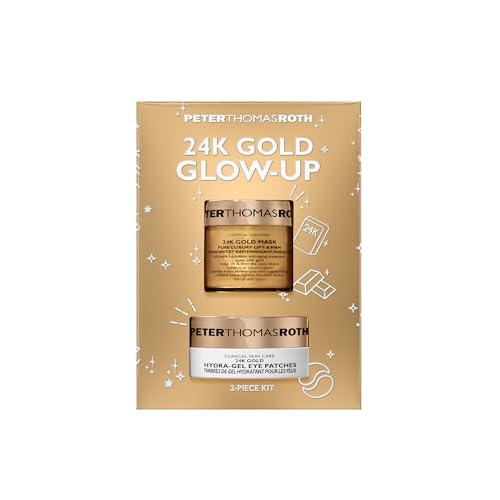
Luxury skincare, conversely, often commands a premium price due to the quality of ingredients, packaging, and brand reputation. Prices can start at fifty dollars and soar into the hundreds. This high price point appeals to consumers who are willing to invest in their skincare. They often associate luxury products with higher efficacy and better overall results.
Understanding Value
In evaluating price, it is crucial for consumers to consider value rather than just the sticker price. A luxury product that offers significant improvements in skin texture, tone, and appearance may justify its cost, especially if it leads to long-lasting results. Many consumers are willing to pay more for products that deliver visible benefits, recognizing that skincare is an investment in their overall appearance and confidence.
Consumer Perceptions and Brand Loyalty
Consumer perceptions play a substantial role in the drugstore versus luxury skincare debate. Many individuals believe that luxury brands offer superior quality and results, leading to a strong sense of loyalty. In 2026, social media influencers and beauty experts continue to promote luxury skincare brands, often highlighting their formulations and effectiveness, which can sway consumer opinions.
Drugstore brands, however, are not without their dedicated fan bases. Many consumers appreciate the accessibility and convenience of drugstore options. They value the ability to easily replenish their products without visiting specialty stores. This accessibility can foster brand loyalty as consumers develop trust in products that consistently meet their needs.
Building Trust
Trust is critical in skincare. Consumers today are more informed than ever, often conducting thorough research before making a purchase. Positive reviews and testimonials can significantly influence decisions. Brands that prioritize transparency about their ingredient sourcing and manufacturing processes tend to earn consumer trust, whether they are drugstore or luxury brands.
Packaging and Presentation
Packaging is another area where drugstore and luxury skincare often differ. Luxury brands tend to invest in high-end packaging that reflects their brand image. Sleek bottles, elegant designs, and luxurious textures create an appealing experience for consumers. This attention to detail enhances the perception of quality and exclusivity.
In contrast, drugstore products typically feature more functional packaging. While many brands are improving their aesthetic appeal, the focus remains on practicality and cost-effectiveness. This difference in presentation can influence consumer choices, as many individuals associate luxury packaging with a higher standard of care and efficacy.
Consumer Experience
The experience of using a product can also shape perceptions. Luxury skincare often emphasizes a holistic experience, from the scent to the application method. In 2026, many consumers seek products that offer not just results but an enjoyable and indulgent experience. This sensory appeal can enhance satisfaction and encourage repeat purchases.